Materials Costing Done Right
Getting material costs right is the foundation of maker pricing. Here is how to do it.
Do materials costing right by pricing per finished item rather than per pack. Divide each supply's pack price down to the amount one product actually uses, include every component even tiny ones, and add an allowance for waste and offcuts. Save those figures so you can reuse them on future quotes.
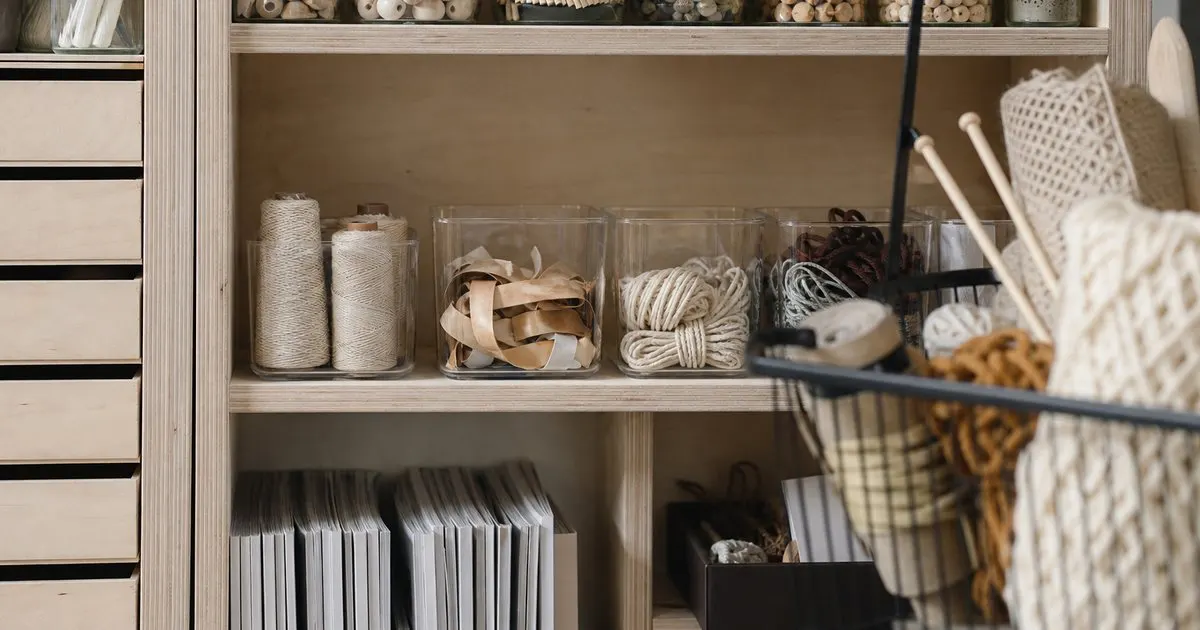
Cost per item, not per pack
Materials are usually bought in bulk but used per item. The number you need is the cost of the materials that go into one product, which means breaking a pack price down to a per unit cost.
Keep reading: Why Your Handmade Sale Might Be Losing Money, Pricing Handmade Products With Confidence, Hidden Costs That Eat Maker Margins. See how MakerLedgr helps you per-order shipping and profit calculator for handmade sellers.
Include everything that goes in
Accurate costing counts every material in a finished piece, including the small ones: thread, glue, findings, finishes. The little items are easy to ignore and add up across many products.
Account for waste
Making often produces offcuts and mistakes. A realistic material cost accounts for the waste, so you are not surprised when a pack yields fewer sellable items than the raw quantity suggested.
Reuse your numbers
Once you have worked out the cost of a material, save it and reuse it across every product that uses it. A material library turns costing from a repeated chore into a quick, consistent calculation.
- Cost materials per item, not per pack
- Include every material, even small ones
- Account for waste and offcuts
- Save material costs and reuse them

Julien Jimenez
Julien Jimenez is an independent software builder based in Paris. He designs, ships, and operates focused SaaS products for small businesses and independent professionals. Read the full author page.
Frequently asked questions
Why cost per item instead of per pack?
You sell single items, not packs, so per pack numbers hide the true cost of each piece. Breaking the pack down to a per item figure lets you price and compare products accurately.
How do I account for waste in costing?
Add a small percentage on top of measured material use to cover offcuts, mistakes, and spoilage. The exact figure depends on your craft, but ignoring waste consistently understates what each item really costs.
Know the real profit on every handmade order
Per-order shipping and profit calculator for handmade sellers. MakerLedgr is built to help you put this into practice.
See my marginsMore from the MakerLedgr blog

Why Your Handmade Sale Might Be Losing Money
Pricing Handmade Products With Confidence

Hidden Costs That Eat Maker Margins
Get the MakerLedgr playbook
Practical guides on maker economics, straight to your inbox as we publish them. No spam, unsubscribe any time.