
Maker economics
Why Your Handmade Sale Might Be Losing Money
A busy shop can still lose money on every order. Here is how that happens, and how to see it.
Practical, honest advice from the team behind MakerLedgr, written to help you do this well.
A busy shop can still lose money on every order. Here is how that happens, and how to see it.

Underpricing is the maker's most common mistake. Here is how to price with confidence.
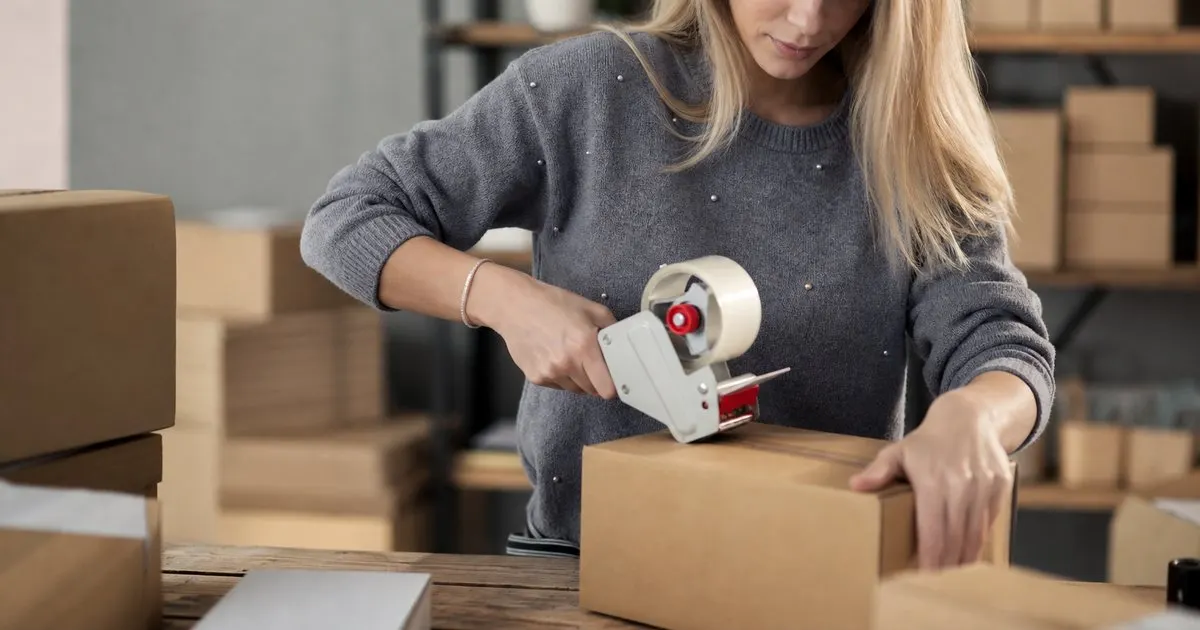
The costs that sink makers are the ones they never add up. Here they are.
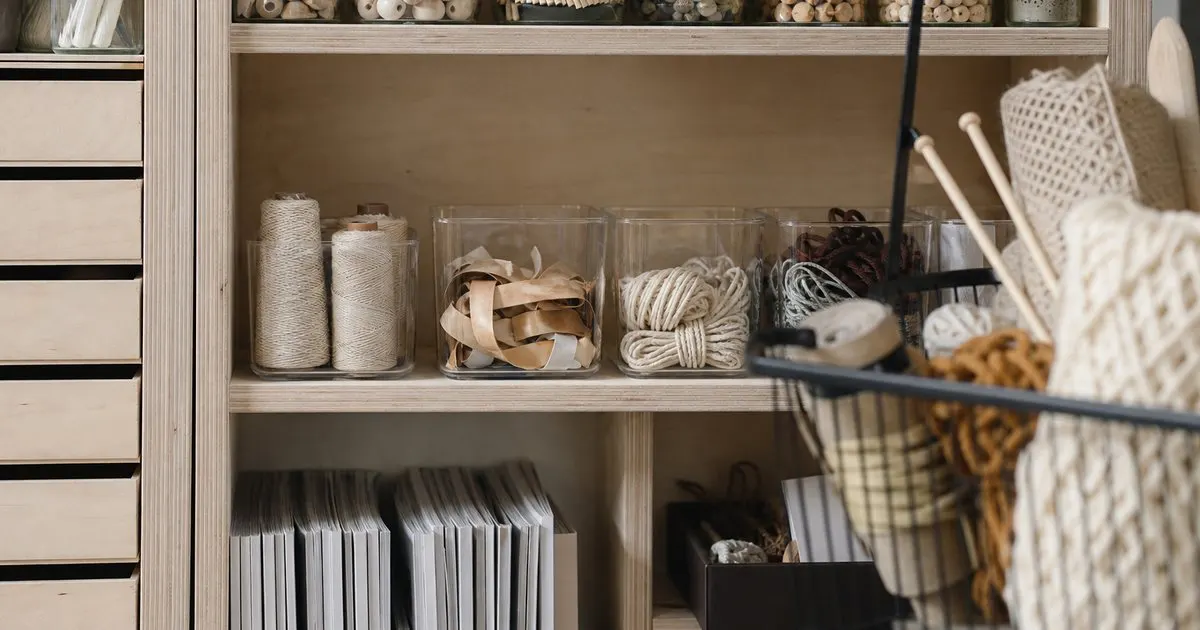
Getting material costs right is the foundation of maker pricing. Here is how to do it.

Shipping quietly reshapes your margins. Here is how to account for it honestly.

The sale price is not what lands in your pocket. Here is how fees change the math.

Your bestsellers are not always your best earners. Here is how to find what really pays.

A price increase feels scary but is often overdue. Here is how to do it gracefully.

Good numbers turn a hobby into a business. Here are the bookkeeping basics that matter.
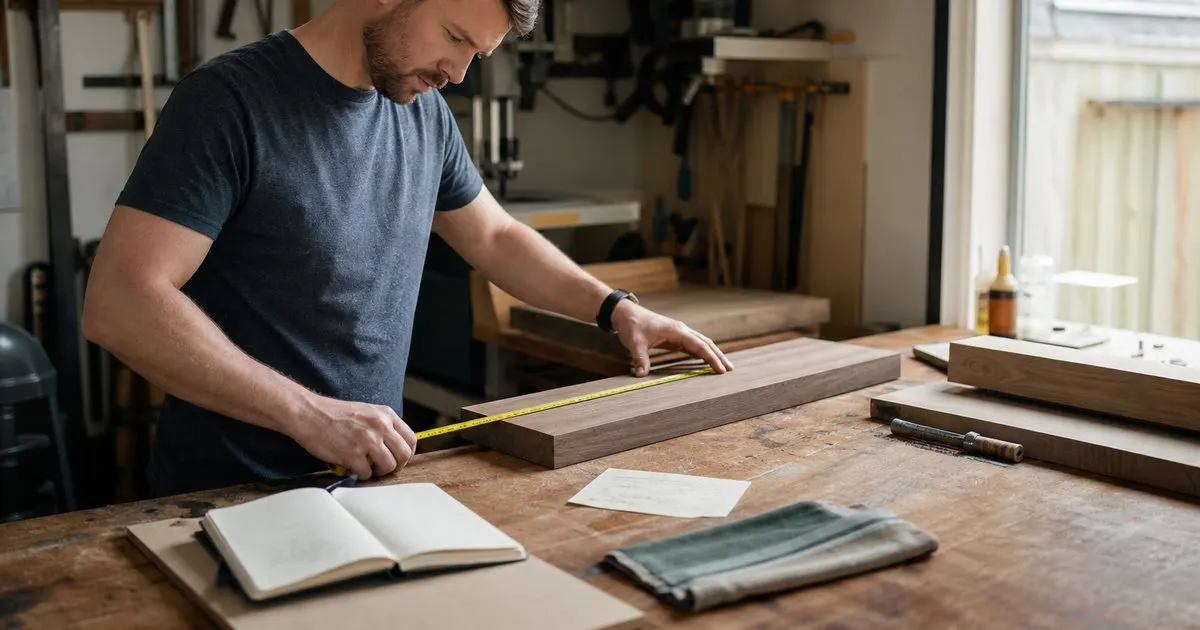
Custom work is where handmade sellers most often underprice. A repeatable quoting method keeps commissions profitable and protects your time.

Free shipping is a pricing decision, not a marketing perk. Here is how to tell when it helps your margins and when it quietly drains them.

Most makers either take nothing or take whatever is left. Neither is a plan. A simple owner-pay system keeps you and your business both funded.

Overbuild and you tie up cash in January. Underbuild and you turn away December buyers. A plan built from your own numbers lands between the two.

Retailers expect to pay about half of what you charge. Here is why that math breaks for many makers, and how to make it work when it can.
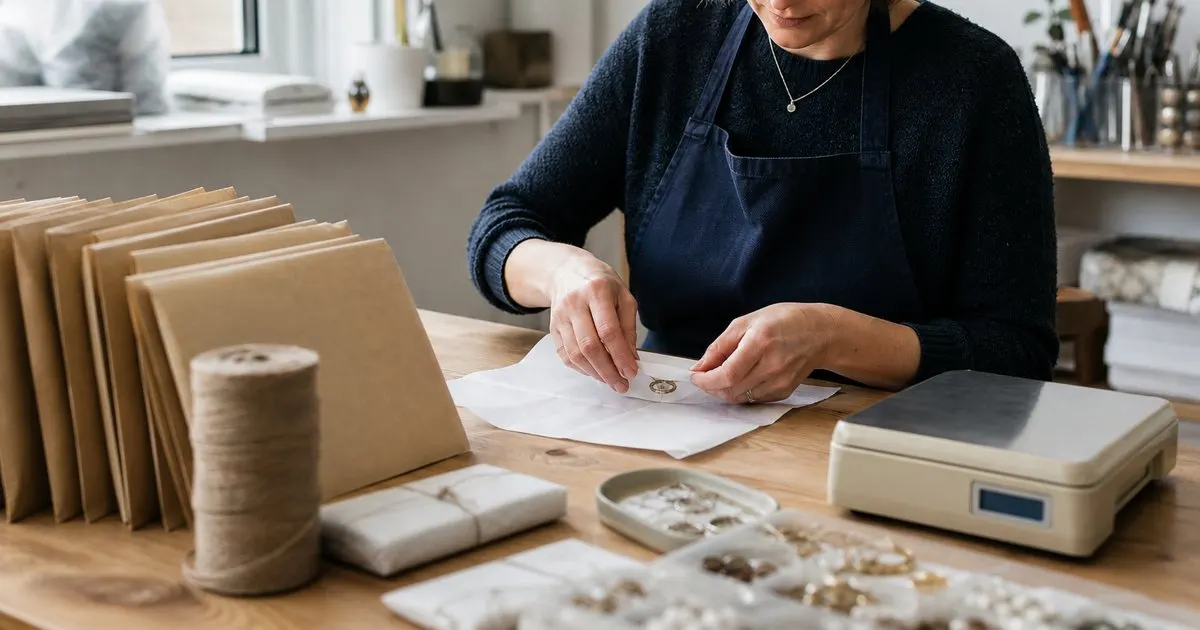
Packaging is a cost line many makers estimate once and never revisit. Some choices matter a lot, others barely register, and it pays to know which is which.

A bad show is data, not a verdict. Here is how to work out what went wrong, what to change, and when to stop doing shows altogether.

Returns hit handmade sellers harder than large retailers because every item carries real labor. A clear policy and a few habits limit the damage without alienating buyers.

Sales are not the same as profit. Some of your steadiest sellers are quietly costing you hours you could spend on work that pays better.

A discount comes off the top line, but every cost underneath it stays exactly the same. Here is how to find the discount depth your margin can genuinely absorb.
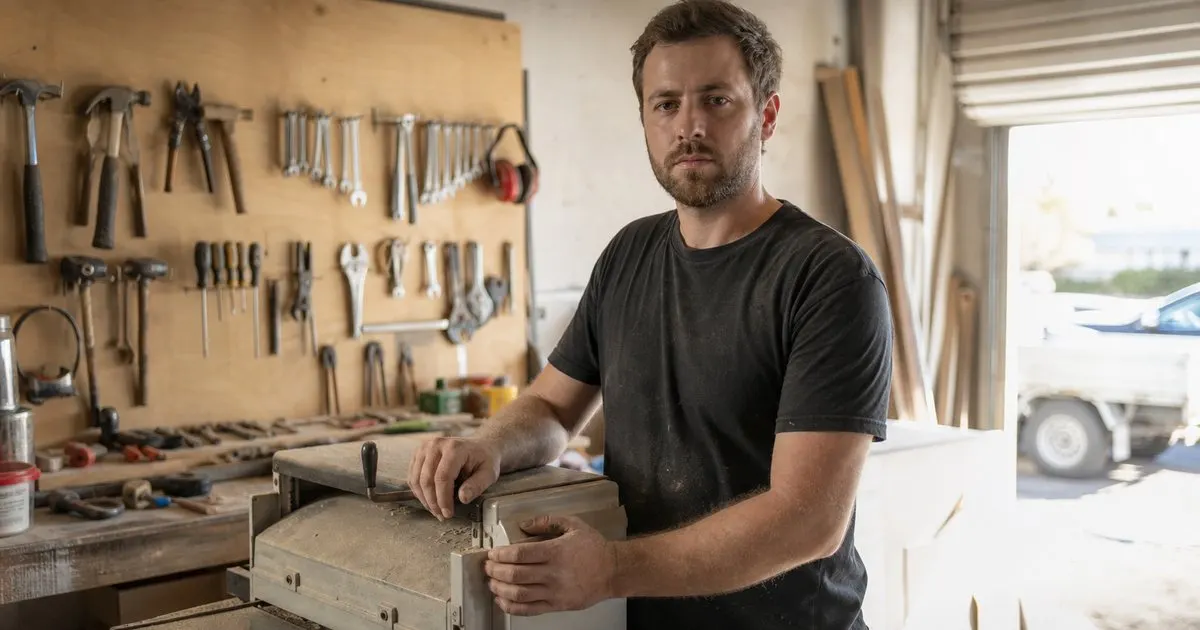
A machine only pays for itself when the hours it saves turn into orders you can actually sell. Here is a payback check that survives contact with a real studio.